
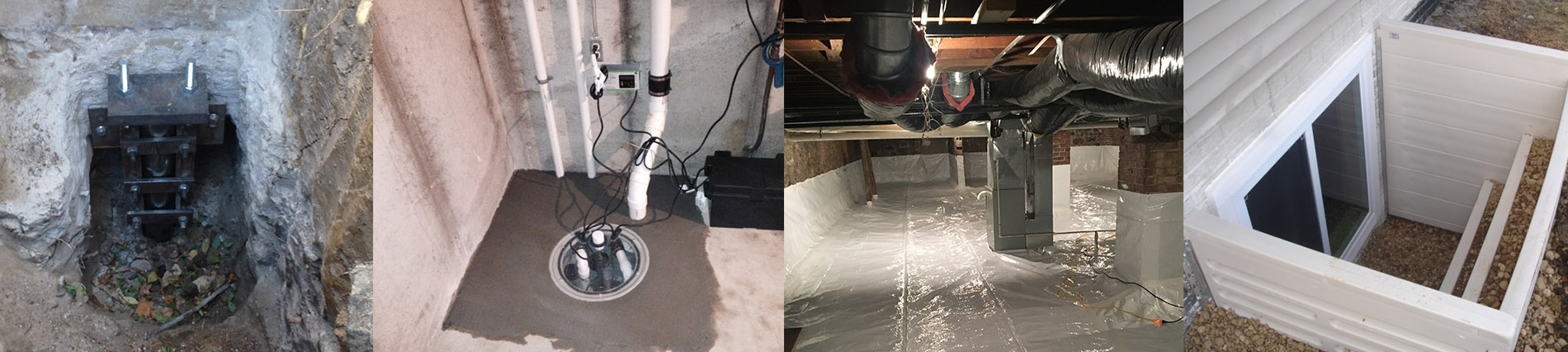
Your crawl space may not be an area you visit often, but it plays an important role in your home’s overall condition. Located beneath your living space, this often-overlooked area can be vulnerable to moisture, structural deterioration, and poor ventilation. When problems develop, they can affect everything from your home’s indoor air quality to the stability of your floors.
For Iowa homeowners, changing weather conditions can make crawl space maintenance especially important. Heavy spring rainfall, humid summers, and freezing winter temperatures can create conditions that contribute to moisture buildup and structural concerns.
Recognizing the early warning signs of crawl space damage can help you address problems before they become more extensive. Here are seven signs that your crawl space may need professional attention.
One of the earliest indicators of a crawl space problem is an unpleasant, musty smell that seems to linger throughout your home. These odors often develop when moisture accumulates beneath the house, creating conditions that encourage mold and mildew growth.
Because air can move from your crawl space into your living areas, odors originating below the home may become noticeable on the main floor.
If you notice persistent musty smells, particularly after heavy rainfall or during humid weather, it may be time to have your crawl space inspected. Addressing the source of the moisture is essential to preventing the odor from returning.
Finding water beneath your home is a clear indication that something isn’t working as it should. Water may enter a crawl space through foundation openings, poor exterior drainage, groundwater intrusion, or moisture rising from exposed soil.
Even when standing water isn’t visible, consistently damp surfaces or condensation can indicate excessive moisture.
Common warning signs include:
Ignoring these conditions can allow moisture-related problems to spread. Professional crawl space repair solutions can help manage water intrusion and create a drier environment beneath your home.
Have you noticed that certain areas of your floor feel uneven, soft, or bouncy when you walk across them? These changes may be connected to problems with the structural components located inside your crawl space.
Excessive moisture can contribute to deterioration of wooden floor joists and support beams. In some cases, shifting or inadequate supports can also cause floors to sag.
Other potential indicators include cracks appearing along interior walls, gaps between floors and baseboards, or doors that no longer fit properly within their frames.
Because these symptoms can have several causes, a professional inspection is important for determining whether the problem originates in the crawl space, foundation, or another part of the home.
Crawl spaces that remain damp for extended periods can provide favorable conditions for mold and mildew growth. Organic materials such as wood framing and insulation can become affected when moisture levels remain elevated.
Visible discoloration on wooden surfaces, persistent odors, or signs of fungal growth may indicate that your crawl space has an ongoing moisture problem.
While cleaning affected surfaces may address visible growth, it does not necessarily correct the conditions that allowed it to develop.
Identifying and controlling moisture is an important part of preventing recurring problems. Depending on the situation, crawl space moisture-control improvements may be necessary, along with appropriate mold remediation.
Insulation installed beneath your floors helps reduce heat transfer between your living space and the crawl space. However, when moisture enters this area, insulation can become damp, compressed, or detached from the floor framing.
Damaged insulation may no longer perform as intended, potentially contributing to uncomfortable floors and increased heating or cooling demands.
Signs of insulation problems include:
Before replacing damaged insulation, it’s important to determine why the material became wet or deteriorated. Otherwise, the same problem may occur again.
Wooden structural components inside a crawl space are especially vulnerable when exposed to prolonged moisture. Over time, excessive dampness can contribute to fungal decay, weakening floor joists, beams, and other supporting materials.
Wood rot may appear as discoloration, cracking, crumbling surfaces, or areas that feel unusually soft.
Because these components help support the floors above, deterioration should not be ignored. The extent of damage and appropriate repair method depend on the affected materials and their structural role.
A qualified professional can evaluate the condition of the crawl space and determine whether structural repairs, moisture management, or additional improvements are necessary.
Your crawl space can influence moisture levels inside your home, especially when air moves between the crawl space and occupied rooms.
If your home frequently feels humid, even when the air conditioning is running, excess moisture beneath the house could be contributing to the problem.
You might notice condensation on windows, uncomfortable indoor conditions, or a persistent damp feeling during Iowa’s warmer months.
Although high indoor humidity can originate from several sources, inspecting the crawl space can help determine whether moisture beneath the home is part of the issue.
Iowa’s seasonal weather patterns can create challenging conditions for the areas beneath residential properties. During spring and summer, heavy rainfall and elevated humidity may increase moisture levels around foundations and inside crawl spaces.
As temperatures change throughout the year, soil moisture conditions can also fluctuate. Homes with exposed crawl space soil, inadequate drainage, or existing foundation openings may be particularly susceptible to moisture intrusion.
Older homes may face additional challenges when crawl spaces lack effective ground moisture barriers or have experienced years of water exposure.
Regular inspections and timely repairs can help homeowners identify these conditions before they lead to more significant damage.
The appropriate crawl space repair method depends on the source of the problem and the condition of the existing structure. Some homes primarily need improved moisture management, while others may require repairs to damaged structural components.
Common approaches to crawl space problems can include moisture barriers, drainage improvements, crawl space encapsulation, insulation improvements, and structural repairs when necessary.
WCI Basement Repair helps Iowa homeowners evaluate crawl space concerns and identify solutions suited to their properties. Addressing the underlying cause of moisture or deterioration is important for creating lasting improvements rather than repeatedly treating the symptoms.
Common warning signs include standing water, musty odors, sagging floors, visible mold, deteriorating insulation, and damaged wood supports. If you notice any of these problems, a professional inspection can help determine the cause and whether repairs are necessary.
Yes. Persistent moisture can contribute to deterioration of structural materials, while drainage problems and changing soil conditions may also affect foundation stability. The specific risk depends on the home’s construction and the source of the moisture.
Crawl space encapsulation can be beneficial for homes experiencing moisture intrusion or elevated humidity beneath the living space. A properly designed system can help limit ground moisture entering the crawl space, although drainage and existing water problems may need to be addressed first.
Crawl space repair costs vary depending on the size of the area, severity of the damage, accessibility, and the type of repairs required. Moisture-control improvements and structural repairs can have very different costs. An inspection and estimate can help determine the appropriate solution and expected investment.
Addressing known crawl space problems before listing your property may help reduce concerns during a buyer’s home inspection. Repairing moisture or structural issues can also provide documentation of the work completed and help prospective buyers better understand the property’s condition.
A neglected crawl space can lead to problems that extend well beyond the area beneath your floors. From excess moisture and damaged insulation to deteriorating structural supports, recognizing the warning signs early can help protect your home and reduce the likelihood of more extensive repairs.
WCI Basement Repair provides crawl space repair, foundation repair, and basement waterproofing services for homeowners throughout its Iowa service area. Our team can help identify the source of your crawl space concerns and recommend solutions designed for your property.
Don’t wait for crawl space problems to become more serious. Contact WCI Basement Repair today to request a free estimate and learn how we can help protect your home.
Category: Crawlspace Repair